
Book Experienced and Verified Pandit Ji
Introduction
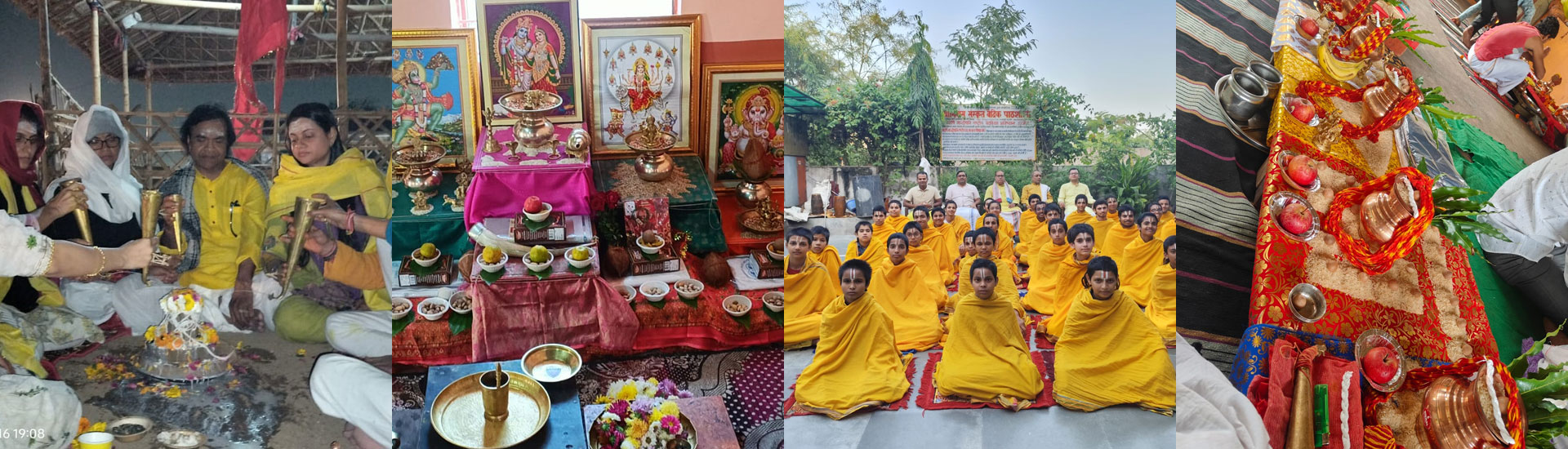
There has always been a struggle to find a qualified pandit who is educated, experienced, well-mannered, and punctual. India is a land where a pandit ji can be found in every nearby temple, but it has always been a struggle to find the right one. Today, it is possible to find all the above qualities in a pandit ji, thanks to the digital revolution in India and the emergence of online pooja and pandit services. They hire well-educated pandits from the top schools of India and provide all the necessary pooja items required for a particular pooja. Their timely execution and well-mannered behaviour are now becoming the first choice for most Indians. Given below is the list of the top 10 most booked Poojas on the platform over the years:
Types of Poojas and Packages:
1. Griha Pravesh Pooja: Griha Pravesh Pooja is the official entry to a new home with ritualistic procedures like Gauri-Ganesh, Kalash-Navgrah, Vastu-Sodashmatrika, Saptgrihtmatrika Pooja, Dwar Pooja, Kitchen Pooja, Milk Boiling, Satyanarayan Katha, Havan, Aarti and Prasad distribution. There are three types of Griha Pravesh Pooja: Apoorva, Sapoorva, and Dwandhwa.
2. Office Pooja: Office Pooja is the official entry to a new office with ritualistic procedures like Lakshmi-Ganesh Pooja, Kalash-Navgrah Pooja, Vastu-Sodashmatrika Pooja, Saptgrihtmatrika Pooja, Kuber Pooja, Havan, Aarti and Prasad distribution. This Pooja is also the most sought-after Pooja in India.
3. Nav Grah Shanti Pooja: Nav Grah Shanti Pooja is performed to pacify the negative influences of the planets on the home and family members. This Pooja can be performed by anyone at any time they feel uneasy. The Pooja procedures involve Gauri-Ganesh Pooja, Kalash-Navgrah Pooja, Havan, Aarti and Prasad distribution.
4. Gand Mool Nakshatra Shanti Pooja: Gand Mool Nakshatra Shanti Pooja is performed when a child is born in any of these nakshatras, such as Ashwini, Magha, Moola, Revati, Jyeshtha, and Ashlesha, to pacify the effects of these nakshatras on the life of the child as well as family members. The Pooja procedures involve Gauri-Ganesh Pooja, Kalash-Navgrah Pooja, Pradhan Nakshatra Pooja, Havan, Aarti and Prasad distribution.
5. Rudrabhishek Pooja: Rudrabhishek Pooja is performed to appease Lord Shiva and receive his blessings in various aspects of life. This is one such Pooja which can be performed at any time of the year. The Pooja involves the proper chanting of the Rudrasthdhyayi. It requires a trained Brahmin to perform this Pooja in a Vedic-defined manner. Those who feel closer to Lord Shiva should perform this Pooja regularly.
6. Satyanarayan Pooja: This Pooja is performed by the masses to receive the blessings of Lord Vishnu and get free from all kinds of worldly challenges. The Pooja procedures involve Gauri-Ganesh Pooja, Kalash-Navgrah Pooja, Satyanarayan Katha, Shaligram Abhishekam, Havan, Aarti and Prasad distribution.
7. Nav Grah Shanti Jaap: Nav Grah Shanti Jaap consists of Surya (Sun) – Surya Dev – 7,000,
Chandra (Moon) – Chandra Dev – 11,000, Mangal (Mars) – Mangal Dev – 10,000,
Budh (Mercury) – Budh Dev – 9,000, Guru (Jupiter) – Brihaspati Dev – 19,000,
Shukra (Venus) – Shukra Dev – 16,000, Shani (Saturn) – Shani Dev – 23,000,
Rahu – Rahu Dev – 18,000, Ketu – Ketu Dev – 17,000. The number of chants of any of the above planets is decided by an expert pandit ji. The Pooja procedures involve Gauri-Ganesh Pooja, Kalash-Navgrah Pooja, Nav Grah Shanti Jaap, Dasams Havan, Aarti and Prasad distribution. This Pooja is performed to pacify the negative influences of the planets.
8. Maha Mrityunjaya Pooja: Maha Mrityunjaya Pooja is performed for victory over untimely death, any kind of chronic illness, general well-being of the family, etc. This Pooja consists of chanting approximately 1.25 lakh Jaap of the Maha Mrityunjaya Mantra, along with Dasams Havan. The Pooja procedures involve Gauri-Ganesh Pooja, Kalash-Navgrah Pooja, Maha Mrityunjaya Jaap, Dasams Havan, Aarti and Prasad distribution.
9. Garud Puran Paath: Garud Puran Paath is the recitation of selected chapters from Garud Puran, which explains the journey of the soul after death. Its recitation provides peace to the deceased's soul. It is usually recited after the death of a person or at the annual death anniversary. The number of days depends on the family's customs and beliefs.
10. Antim Sanskar/ Last Rites: Antim Sanskar or Last Rites is performed upon the demise of any family member, and the number of days of its observance depends on the customs of the family. The procedure usually involves Antim Sanskar, Asthi Visarjan, Garud Puran, Daskatra, Ekadasah, Dwadasah, Tehrahvi Havan, Brahman Bhojan and Donations.
Languages
India represents diverse cultures and religions. Pooja procedures and types vary immensely. People from various major languages live here and are always eager to find qualified pandits and pooja services in their languages.
Online service providers
India needs a pooja service provider that caters to all languages. VidhiPujan is a platform that provides expert pandits for pooja bookings in India, available in multiple languages, along with all pooja materials, including flowers and fruits. They have pandit options in various languages. They provide pandits in Hindi, Tamil, Telugu, Kannada, Bengali, Garhwali, Kumaoni, Nepali, etc.
Home, Office and Nearby Temple
Poojas can be performed in homes, offices, or nearby temples, as preferred. The digital penetration in India has led to the emergence of successful pandit service providers such as VidhiPujan to meet the needs of Indian residents
SEND ENQUIRY
How to book a Pandit with VidhiPujan
1. Go to their website www.vidhipujan.com or directly call or WhatsApp them on +91 9971180545.
2. Choose a Pooja service of your need and book through the website itself, and wait for the confirmation call or message from the team.
3. In case of not finding your desired pooja service on the website, directly call them and book accordingly with the support team.
Service Areas of Pandit for Pooja:
Delhi, Noida, Greater Noida, Gurgaon, Ghaziabad